A construction site only runs as well as its logistics. Materials, plant, and labour get the headlines, but hygiene is what steadies the day. If amenities falter, productivity slips and morale follows. That’s why site teams around Kidderminster talk as much about reliable loos as they do about telehandlers. After two decades managing projects across the Midlands, I’ve learned the difference between a supplier who understands construction and one who simply drops a plastic box at the gate. Enviro24 Midlands Limited sits firmly in the first camp, and that distinction shows up in subtle ways that save hours and avoid headaches.
What “good” looks like on a live site
On paper, toilet hire looks straightforward: deliver, clean weekly, collect at the end. On a live site it rarely stays that tidy. Work phasing changes, crews spike from 8 to 30 on pour days, the only level spot is 100 metres from the entrance, and the road closure you forgot about suddenly matters on service day. Good looks like a supplier who anticipates those changes, communicates before they become problems, and has enough kit and crew to flex.
With mobile toilet hire in Kidderminster, your options tend to split into two groups. Some providers run basic fleets, keep loose schedules, and compete mostly on price. Others operate like a service partner, not a commodity vendor. Enviro24 Midlands Limited has built its reputation in the second category by keeping rigs, drivers, and customer support tightly coordinated. That conveys itself in quieter ways: the service truck arrives in the agreed window without reminders, consumables don’t run out, the cab door closes quietly at 6.45 a.m. so the next-door neighbour isn’t woken, and the unit is anchored where you specified, not “somewhere near.”
Why the details matter more than the spec sheet
Specs are easy to compare. Most builders’ loos tick similar boxes: recirculating flush, handwash or hand-sanitiser station, roof vent, occupancy latch, and a hold tank in the 200 litre range. You can hire single units, mains-connected welfare cabins, disabled-access toilets, and hot-wash options. The real differentiators live outside the brochure.
Reliability starts with fleet age and maintenance. A newer fleet means fewer cracked seals, stiff door latches, and fogged skylights that make the interior feel worse than it is. It also reduces the chance of odour creeping in midweek. Enviro24 Midlands Limited runs a modern fleet and keeps it circulating through the wash bay for deep cleans, not just quick rinses. You notice this after a storm when the floor dries quickly because the door seal holds tight, and after a Friday rush when the venting still manages odour.
Consistency is next. Weekly service visits are the backbone of toilet hire, and for busy sites, two services per week are a small premium worth paying. A dependable schedule lets you plan around deliveries and lifting operations, and it stops the Monday blame game when someone didn’t “get around” to calling the hire company for an extra pump-out. In my experience, the Enviro24 team sticks to agreed windows and confirms changes rather than leaving site managers to guess.
Then there is placement and access. On a constrained plot in central Kidderminster, I’ve had to set loos on timber bearers near a boundary wall, then flip them inboard after the scaffold came down. The difference between a provider who shrugs and one who helps with a safe reposition shows when the winds pick up or when a dumper Enviro24 midlands limited Enviro24 midlands limited needs the turning circle. Enviro24 crews generally arrive with proper dollies, tie-downs, and a second set of hands if the lift is awkward. That attention to safe manual handling keeps the day on schedule and stops a near-miss from becoming a reportable incident.
Matching unit types to the job
Kidderminster’s project mix runs from small refurbs along Comberton Hill to larger new-builds on the fringes toward Stourport Road. The right setup depends on headcount, site phase, and water and power availability.
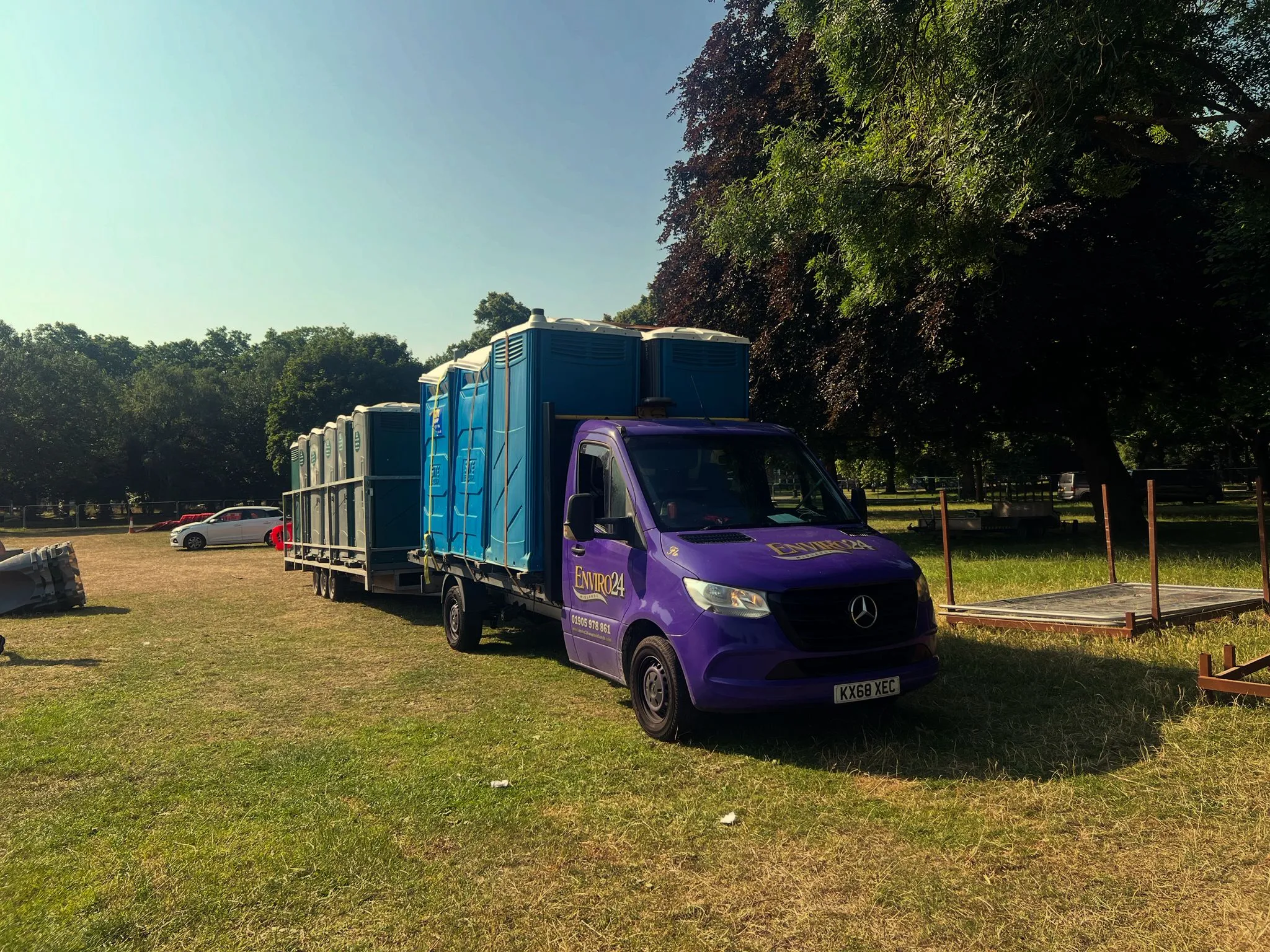
For small crews of up to 8 on short programmes, a single chemical mobile toilet Kidderminster contractors recognise by sight is often enough with weekly servicing. If the trades share the space with clients or the public passing nearby, upgrade to a hot-wash unit with a sink and water heater. It costs more, but it keeps hands actually clean rather than merely sanitised, particularly in winter when cold-water rinses get ignored.
When headcount climbs past 15 and stays high, a cluster of two or three units cuts queues and lowers hygiene complaints. Consider adding a separate handwash station near the canteen or boot wash. For pours and roofing shifts where crews spike temporarily, a temporary second unit delivered midweek, then off-hired after the peak, can work out cheaper than overspecifying all month.
For disabled access or mixed public access on civils and streetscape works, bring in an accessible unit with ramp and handrails. It buys goodwill with local residents and often aligns with council expectations during statutory works.
If you have power and water on site, mains-connected cabins with flushing WCs and basins come into play. They demand a different transport setup and a level base, but the comfort level rises substantially. The trade-off is lead time and installation complexity. Enviro24 Midlands Limited offers both chemical and mains-connected options, and being clear about power, pressure, and drainage at the enquiry stage helps their team size the right kit.
The local reality: routing, weather, and neighbours
Kidderminster sits in a network of A-roads that can clog quickly at school times and at the ring road pinch points. Service windows that aim for early mornings or the mid-afternoon lull tend to hit fewer snags. When I’ve had sites near Sion Hill or Chester Road, the driver’s local knowledge has saved missed slots more than once. Enviro24’s planners usually ask about site hours and any road restrictions during the hire setup, and that dialogue keeps pump-outs predictable.
Weather makes a difference too. Heavy rain can waterlog ground near a unit and tilt the base just enough that doors rub and occupants complain. A supplier who checks levels during service and adds blocks or bearers as required saves your team from improvising with bricks and pallets. In high winds, strapping or repositioning to a more sheltered corner prevents the classic tip-over that ruins a day’s work. I’ve seen one blowdown cost half a shift between clean-up, driver callouts, and welfare checks. The better the anchoring and siting at delivery, the lower the odds of that call.
Neighbours are part of any urban project. A 7 a.m. service with a rumbling vacuum pump is a surefire way to seed complaints. Agreeing time bands in advance and sticking to them keeps the relationship smooth. It also helps if the service crew knows your site rules for reversing alarms and banksman requirements. Enviro24 Midlands Limited tends to respect these constraints, which matters close to schools or care homes.
Hygiene that holds up under pressure
The measure of a toilet provider is not the day it’s delivered, it’s day 24 at 3 p.m. in a wet week when everyone’s fed up. Consumables are the first test. Toilet tissue runs out fastest, followed by hand soap or sanitiser and then blue chemical charge when temperatures swing. Good providers stock more than you think you need and leave a spare sealed pack when usage spikes. If you want to keep theft down, ask for single-ply in bulk and lockable dispensers.
Odour control matters as much as optics. Vent stacks, tank deodorisers, and proper airflow routes make a difference. Units with lighter interiors and brighter roofs feel cleaner and are cleaned more effectively because dirt shows up. I’ve stood in brand-new units from cheap providers that stank after three days, and older units from a well-maintained fleet that felt fine a week later. The difference is maintenance discipline, not age alone.
For hot-wash units, heaters and taps get abused. Field service that swaps a failed heater within 24 to 48 hours keeps “hot wash” from becoming a label only. Ask your supplier what their response time looks like and how often they carry spare parts on the truck. Enviro24 Midlands Limited typically runs spares with their crews, which keeps downtime low.
Planning the hire: questions that sharpen the quote
A tight enquiry saves money and friction. Provide location specifics, expected headcount by phase, power and water availability, start date, and site hours. If the team is rotating between two plots, ask about split servicing routes or alternating days. On sites with limited space, share a simple sketch or a couple of photos so the driver doesn’t arrive to a dead end.
If you’re working under principal contractor rules with weekly audits, note any requirements for handwashing temperature, signage, or segregation by trade. I’ve had audits ding sites for lack of hot water in winter or for units placed too far from the workface. The usual guidance is within a reasonable walking distance, often interpreted as 100 metres or less, but a steep bank or stair run changes the practical meaning. Bring that context to your hire conversation.
Budget conversations work better when you separate headline hire rate from service frequency. The base unit cost is only half the story. If your workforce jumps every Friday for handover, moving service to Thursday afternoon can stretch consumables and avoid Friday complaints. If you’re cost-pressured, try a four-week baseline with an option to trigger one ad hoc service when the weather turns or a big delivery pushes housekeeping back.
Environmental standards and waste traceability
Builders increasingly ask for evidence that waste is handled correctly. You want a supplier who can provide waste transfer notes, holds the right environmental permits, and carries insurance that satisfies your principal contractor. Enviro24 Midlands Limited operates within these requirements and can produce documentation when requested. It seems procedural, but documentation closes queries quickly when a main contractor audits the supply chain.
Sustainability also shows up in chemical choices, fleet fuel mix, and wash bay water treatment. While no portable toilet is carbon free, incremental improvements stack up. Lower-formaldehyde or formaldehyde-free chemicals, engines meeting current emissions standards, and sensible routing to reduce dead mileage all help. If sustainability impacts your tender scoring, ask for specifics and include them in your submission.
When something goes wrong
No service is perfect. Locks jam, heaters fail, and routes get snarled. The test is how fast support reacts and whether communication is honest. I keep a simple log on site: unit number, service date, any issues, and response times. On projects where I’ve used Enviro24, out-of-cycle callouts have typically been handled same day if reported before noon, or early the next morning when reported late. That reliability is the main reason site managers stick with a supplier even if a competitor undercuts the weekly rate by a small margin. Down days cost more than the difference.
If vandalism is a risk, ask about anti-tamper fixtures and reinforced door hardware. For night work in poorly lit areas, request a unit with a light or plan to mount a small LED strip near the entrance. It sounds obvious, but I’ve seen otherwise careful plans fall apart after-hours because no one could see the lock.
Cost, value, and the false economy of “cheap and cheerful”
Hiring the cheapest unit often turns out to be a false economy. If the pump-out schedule slips, crews waste time finding alternatives. If the handwash doesn’t work, you attract HSE attention and your site culture erodes. The hidden cost is lost minutes compounded across a workforce. A conservative estimate is 5 to 8 minutes per person per day spent dealing with inadequate welfare. Multiply by 12 people across a six-week programme and the “savings” disappear. Paying a few pounds more per week for consistent service pays itself back many times over.
Enviro24 Midlands Limited doesn’t position itself as bargain-basement. They win on predictable service and smart planning, especially on multi-phase projects where the welfare footprint moves. In Kidderminster, where sites often sit close to residential areas, that reliability translates into fewer neighbour complaints and less site friction.
Practical setup on day one
Success starts with the first 30 minutes on site. Mark the location with spray paint or pegs. Check that the ground is level and compacted. Make sure the delivery driver can reverse safely, and have a banksman on hand if visibility is tight. Confirm unit numbers match your purchase order and service schedule. Take photos of the units in place, inside and out, for the project file. It makes end-of-hire disputes rare.
If wind is expected, request tie-downs or place units against a solid boundary, avoiding leeward corners that channel gusts. Keep at least 1 metre clearance on the service side so the suction hose can connect without moving the unit. If the toilet sits behind a locked gate, ensure the service team has gate codes or that someone is responsible for access on service days.
Here is a simple checklist that helps site teams nail the basics without overcomplicating the morning.
- Location prepared: level base, access clear, service side with 1 metre clearance Safety ready: banksman for delivery, traffic routed, gate codes shared for service days Services agreed: weekly or twice-weekly pump-outs, preferred time window, contact names Consumables stocked: spare tissue and soap left on site or embedded in the service plan Documentation filed: unit numbers, delivery photos, service schedule, permits if requested
Servicing frequency and crew sizing
There is no universal rule for unit-to-worker ratios because behaviour and shift patterns vary. As a working guide, one standard unit per 7 to 10 people with weekly servicing works for steady production. If crews work long shifts, handle wet trades, or wear heavy PPE in summer, the usage rises. On civil works where the distance to the unit is long, people cluster their visits, which can mean bursts of heavy use. If you have two crews who break at different times, two units prevent bottlenecks and keep the schedule smooth.
When weather turns cold, hot-wash units earn their keep. Crews are more likely to wash properly with warm water, which reduces dermatitis complaints and aligns with welfare guidance. Enviro24 can swap a standard unit for hot-wash mid-hire if power becomes available, which beats waiting until the next project.
Communication that respects the site rhythm
Construction management is a chain of small promises kept. Toilet hire should follow the same rhythm. The best providers confirm delivery the day before, call the gate number on approach, and send proof-of-service after pump-outs. If access is blocked, they don’t just drive off and bill a returned visit, they call, wait within reason, or plan a same-day reroute. Across several projects, I’ve seen Enviro24 Midlands Limited behave like a site partner rather than a passive vendor, which is why the phrase toilet hire Kidderminster often leads to their phone number in local circles.
Your side of the communication matters too. If the crane lift is scheduled across the only access lane at 8 a.m., tell the hire company and shift service by an hour. If vandals hit the unit over the weekend, report it first thing Monday so cleaning can be prioritised. Small acts of coordination keep the welfare baseline steady.
Edge cases you should anticipate
Every region has its quirks. In Kidderminster, storm run-off can be fierce, and older plots sometimes hide soft ground where you least expect it. Place boards or concrete pads under units that sit more than a fortnight on suspect terrain. On mixed-use sites where domestic clients visit, plan a discrete unit or a higher-spec welfare cabin to avoid awkward interactions.
For linear jobs like footpath repairs, don’t chase the workface with a single unit every few days. Place two units at predictable points and rotate crews. It is a better use of time and keeps service routes simple. If your site spans multiple entrances, agree which gate the service truck uses to avoid security mix-ups.
And for those long, hot weeks, ask about odour-control upgrades and increased servicing. High temperatures shorten the effective life of the chemical charge. Two light services can outperform one heavy pump-out, and the price difference is often small.
Why Enviro24 Midlands Limited keeps getting the call
Local reliability is earned. I’ve seen Enviro24 pick up the phone on a Saturday when a site was vandalised, reshuffle a driver to stabilise the unit, and return Monday for a full restore without drama. I’ve also seen them decline a risky placement on a half-built retaining wall, then help the team create a safe, temporary platform so the unit could sit tight until groundworks caught up. That judgment saves everyone from near-misses and forms the backbone of trust.
For anyone searching mobile toilet Kidderminster with a tight start date, the company’s capacity and familiarity with local routes makes a difference. They carry enough units to handle short-notice spikes, which happens often when a fit-out starts earlier than planned or when subcontractors multiply at the back end of a programme. Their admin team issues clear paperwork, and their drivers tend to remember sites and site rules, which sounds small until you’ve had to re-explain the one-way system to a new driver every week.
A brief comparison of common choices
If you’re weighing options, the decision tends to settle on a few axes: service reliability, fleet condition, responsiveness, and documentation. Lowest weekly rate carries weight, but in construction, time beats pennies. A supplier who keeps the service cadence, sends tidy crews, and fixes issues quickly will protect your schedule. In Kidderminster, where many sites sit within earshot of homes, the soft factors matter too: early quiet arrivals, clean exteriors, and respectful drivers.
When teams ask me for a quick steer, I say this: shortlist based on proven service, not just kit. Walk a current site that uses the provider. Open the door, smell the interior midday, check the floor, look at the dispensers, and ask the site manager how responsive the company is when something breaks. Enviro24 Midlands Limited tends to perform well on that unglamorous but crucial inspection.
Getting started without the fuss
If you’re ready to arrange toilet hire Kidderminster side, gather the job basics and call early, even if the start date is a week out. Share the headcount and the rough programme, and be candid about likely spikes. Ask for a service window that avoids crane operations and school run traffic. Confirm whether you want hot-wash from day one or plan to upgrade later. If the site compounds are moving mid-project, map the phases and pencil in a reposition. These small pieces of clarity turn a routine hire into a quiet success.
Here is a short sequence that tends to work smoothly on first contact.
- Give project details: address with gate reference, start date, duration, headcount by phase Specify units: standard or hot-wash, any accessible needs, any mains-connected welfare Agree service cadence: weekly as default, plan upgrades for peak weeks or hot spells Confirm site constraints: delivery hours, access route, banksman, ground conditions Set communications: site contact for driver, proof-of-service emails, out-of-hours escalation
Good welfare does not shout. It shows up, stays clean, and gets out of the way so the build can proceed. In Kidderminster, Enviro24 Midlands Limited has built a steady track record of doing exactly that. When you’re balancing budgets against real-world demands, a dependable toilet provider is one of the easiest wins available.